Breachsense connects to your security stack through webhooks and a REST API. Webhooks deliver real-time alerts when leaked credentials or stolen session tokens appear on the dark web. The REST API gives you 9 endpoints for credential queries and document search.
It also monitors your external attack surface. That means detecting lookalike domains that impersonate your brand through typosquatting, homoglyphs, and alternative TLDs. You’ll also see forgotten subdomains tied to your infrastructure. A separate endpoint tracks mentions of your company on hacker forums, so you’ll know if someone is selling access to your network.
You can route webhook alerts to your SIEM or SOAR platform. Ticketing systems and chat channels like Slack work too. Each monitored domain can point to a different webhook URL, so MSSPs can route alerts per client automatically.
For detailed endpoint-by-endpoint guidance, see API workflows and use cases.
Integrations and Automation
Connect dark web monitoring to your security stack
Breachsense is an API-first platform. Webhooks push alerts to your SIEM or ticketing system in real time. The REST API lets you automate credential queries and build response workflows that fit your existing tools.
Book a demo





What Can You Integrate With Breachsense?
How Teams Integrate Breachsense
SIEM & SOAR Integration
Webhook alerts feed directly into your SIEM or SOAR platform. Auto-trigger playbooks for password resets and session token revocation the moment exposure is detected.
REST API Automation
9 endpoints cover credential queries and document search. Schedule scans and build custom workflows. Parse JSON responses in your language of choice.
Multi-Tenant Monitoring
Per-client webhook routing lets MSSPs send each client’s alerts to a separate destination. Route one client to their Slack channel and another to their SIEM automatically.
Trusted by Security Teams and MSSPs Worldwide
Our team uses Breachsense data to gain initial access during pen testing and red team engagements. The API is simple to use and the support is always helpful and responds quickly.
Gordon Maddern
Technical Director, Red Cursor

Our Security Colony platform relies on Breachsense data as part of our dark web monitoring service. The data is continuously updated and high quality. Highly recommend!
Nick Ellsmore
SVP Professional Services, Trustwave

We rely on Breachsense for a lot of data. Their frequent database updates, constant availability, and handling of big and small breaches alike means we are always covered.
Bill Mathews
CTO, Hurricane Labs

How to Get Started With Breachsense Integrations
Frequently Asked Questions
Breachsense integrates with any tool that accepts webhooks or REST API calls. Common destinations include SIEMs like Splunk and Sentinel, plus SOAR platforms like Cortex XSOAR. Ticketing systems like ServiceNow and chat tools like Slack work too. The REST API returns JSON, so you can build custom integrations in any language.
You configure webhook URLs through the Monitor API endpoint. When Breachsense detects new credential exposure or stolen session tokens tied to your monitored domains, it sends an HTTP request to your webhook with the alert details. Each domain can point to a different webhook URL. See API workflows and use cases for setup patterns.
Yes. Route webhook alerts to your SIEM’s HTTP collector endpoint. Tag events by source type (credentials, stealer logs, session tokens) for severity-based correlation rules. Most teams have alerts flowing into their SIEM within a few hours of setup.
Register each client’s domains as monitored assets and configure separate webhook endpoints per client. Your integration layer maps incoming alerts to the right client automatically. The MSSP integration playbook covers the full operational workflow from onboarding to reporting.
Not for basic webhook integrations. Point your webhook URL at your SIEM or ticketing system and alerts start flowing. For custom workflows like automated password resets or multi-step response playbooks, you’ll write some code against the REST API. The API uses standard REST conventions and returns JSON.
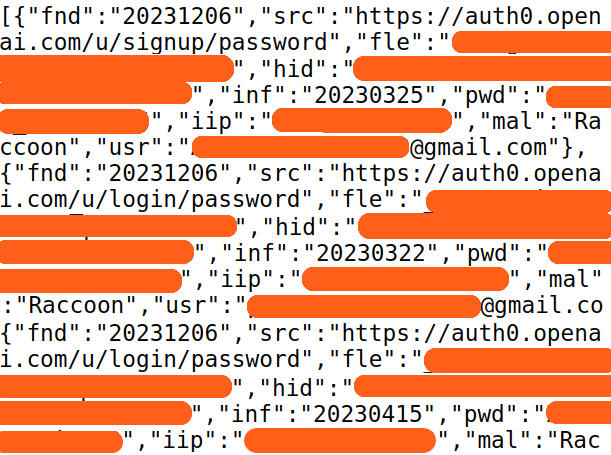
All endpoints return JSON over HTTPS. Responses include the affected email or domain and the breach source. You also get the detection timestamp and the exposed data. The API documentation covers the full response schema for each endpoint.
Yes. Configure webhooks to send credential alerts to your SOAR platform or automation layer. Your playbook then triggers a password reset through your identity provider. Breachsense identifies the exposed credentials. Your identity tools handle the reset. The enterprise response playbook covers the full automation pattern.
Integration Guides and Resources
Everything you need to connect Breachsense to your security stack
Dark Web API
REST API documentation covering 9 endpoints and authentication. Your starting point for any integration.
Learn MoreAPI Workflows and Use Cases
Endpoint-by-endpoint workflow patterns for credential monitoring and session token detection. Also covers vendor breach investigation.
Learn MoreMSSP Integration Playbook
Multi-client dark web monitoring workflows for managed security service providers. Covers onboarding and alert routing.
Learn MoreEnterprise Response Playbook
Alert-specific response steps for credential exposure and session token theft. Covers ransomware and attack surface alerts too.
Learn MoreDark Web Monitoring
How Breachsense monitors criminal marketplaces and forums for your exposed data. The core service that powers all integrations.
Learn MoreDark Web Monitoring for MSPs
Multi-tenant monitoring and white-label options for managed service providers scaling dark web monitoring across clients.
Learn MorePricing
Compare Breachsense plans and API access tiers. Find the right fit for your integration needs.
Learn More