




How Enterprise Dark Web Monitoring Works

We continuously monitor criminal marketplaces and ransomware leak sites where stolen data is traded. We also track Telegram channels and private forums.

When your domains or assets appear, you get immediate alerts via email or webhook. Hashed passwords are cracked to plaintext so you know exactly what’s exposed and where passwords are reused.

Monitor for email domains, IP addresses, names, phone numbers, national IDs, or any text that might appear in leaked data. Add vendor domains to catch third-party breaches that could affect your organization.

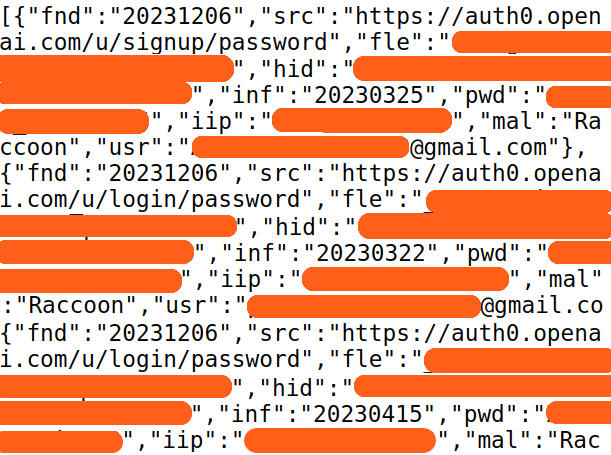
Query our API to pull historical breach data for any asset in your environment. See every instance where a credential appeared, when it was first detected, and which breach or infostealer campaign it came from.

API output in JSON format

Real-Time Credential Detection

Get alerts within hours when employee or customer credentials appear on criminal forums, ransomware leak sites, or stealer logs. Speed matters because attackers move fast.

Full Context for Faster Response

Alerts show you exactly where credentials were found and which applications they access. You’ll know whether it’s a VPN login, cloud admin account, or customer portal so you can prioritize response.

Automated SOC Integration

Connect directly to your SIEM, SOAR, or ticketing system via API. Trigger automated password resets and access reviews without manual intervention. Your team spends less time on routine credential monitoring and more on high-value security work.

Why Enterprise Teams Need Dark Web Monitoring

204 Days

Average time to detect a data breach without monitoring. That’s 204 days for attackers to move laterally, exfiltrate data, and cause damage.

$4.88 Million

Average cost of a data breach in 2024 according to IBM. Early detection through dark web monitoring significantly reduces this cost.

86%

Of breaches involve stolen or compromised credentials according to Verizon’s DBIR. Dark web monitoring catches these credentials before attackers exploit them.

What Gets Detected

Enterprise dark web monitoring covers the full scope of credential and data exposure that puts your organization at risk.

Employee Credentials

Customer Accounts

Session Tokens

Leaked Documents

Enterprise Security Resources

Guides for security operations teams

Dark Web Monitoring

How dark web monitoring works, what sources to track, and how to integrate threat intelligence into your security operations.

Learn More

Compromised Credential Monitoring

Detect leaked employee and customer credentials before account takeover occurs.

Learn More

Dark Web API Documentation

Technical documentation for integrating Breachsense into your security stack.

Learn More

Third-Party Risk Monitoring

Monitor vendor and supplier breaches that could expose your organization.

Learn More

Data Breach Detection

Learn the critical steps for detecting data breaches early. Understand indicators of compromise and detection methodologies.

Learn More

Cyber Threat Intelligence Software

Compare enterprise-grade threat intelligence platforms and understand what separates basic monitoring from comprehensive detection.

Learn More

Cost of a Data Breach

Quantify breach impact with the latest enterprise statistics. See how breach costs break down across detection, response, and regulatory fines.

Learn More

How to Find Data Breaches

Techniques for searching breach databases and dark web marketplaces for organizational exposure.

Learn More

Enterprise Dark Web Monitoring FAQ

Yes. Specialized platforms like Breachsense continuously scan criminal marketplaces, ransomware leak sites, and private forums where stolen data is traded. The challenge is access - most dark web sources are invite-only or require vetting by criminal communities. Enterprise dark web monitoring services handle this so your team doesn’t have to.

Look for real-time alerting, source coverage (including stealer logs and ransomware leak sites), plaintext password cracking, and API integration with your existing security tools. The best solutions provide context about where credentials were found and which systems they access, not just that a leak occurred.

We monitor criminal marketplaces where credentials are bought and sold, ransomware leak sites where stolen data gets published, Telegram channels where infostealer logs are traded, paste sites, and private forums. You can learn more about dark web monitoring sources and how they differ.

You’ll get alerts within hours of credentials appearing in our monitored sources. For infostealer malware, detection often happens the same day logs are shared in criminal channels. This compares to the 204-day average detection time for organizations without monitoring.

Yes. Our API integrates with any system that can parse JSON. Most enterprise teams connect to their SIEM, SOAR, or ticketing platforms for automated response workflows.

Every alert includes the compromised credential, the source where it was found, which applications or services it accesses, and when it was detected. Hashed passwords are cracked to plaintext so you can assess password strength and reuse patterns.

Yes. Continuous monitoring supports compliance frameworks that require proactive threat detection and incident response capabilities. You’ll have documented evidence of security measures and faster breach notification timelines.

Pricing is based on the number of domains and assets you monitor as well as the number of monthly API queries needed. Schedule a demo to discuss your specific requirements and get a quote.