External Attack Surface Management
Attack Surface Management EASM
What Are External Attack Surface Management Tools? External attack surface management (EASM) tools continuously discover …

Learn the key terms used across the Breachsense platform and dark web monitoring.
• A ‘data breach’ means someone broke in. A ‘data leak’ means someone left the door open. Your response should differ
• Stealer logs contain fresh credentials and session tokens that bypass MFA. They’re more dangerous than old breach data
• Some vendors call everything a ‘breach.’ Understanding the real distinctions helps you evaluate what a platform actually covers
• ‘Date discovered’ on breach trackers means when attackers posted, not when the breach happened. The intrusion is usually weeks earlier
Dark web monitoring involves specialized terminology that’s easy to confuse. A ‘data breach’ and a ‘data leak’ aren’t the same thing. ‘Stealer logs’ and ‘combo lists’ come from completely different sources.
This page defines the terms you’ll encounter across our site and platform. If you’ve ever wondered what a ‘ransomware leak site’ actually is or how session tokens differ from passwords, you’re in the right place.
Definitions are grouped by category so you can find what you need fast.
Security teams deal with dozens of specialized terms when evaluating dark web monitoring platforms. Vendors don’t always use these terms consistently.
Dark web monitoring continuously scans criminal marketplaces and hacker forums for your organization’s exposed data. It alerts you when credentials or sensitive files surface, so you can respond before attackers exploit them.
This page standardizes the terminology you’ll find across the Breachsense site. Each definition explains what the term means and why it matters to you. For details on our specific sources and methods, see the dark web monitoring methodology.
These terms describe where stolen data lives and gets traded.
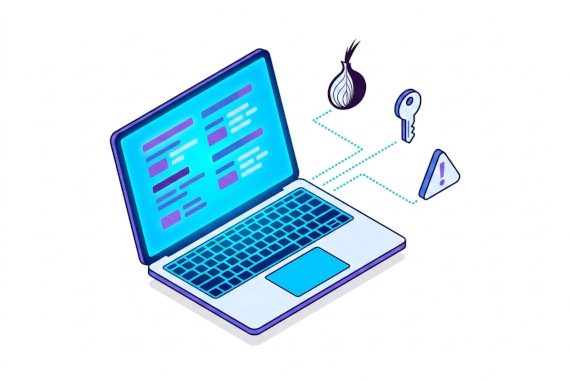
The dark web is a layer of the internet hosted on encrypted networks like Tor. Sites use .onion domains and can’t be reached through normal browsers. Criminal marketplaces and forums operate here because it provides anonymity.
The deep web is everything not indexed by search engines. Your email inbox and bank portal are both deep web. It’s not inherently criminal. People often confuse the deep web with the dark web, but they’re very different. Learn more about the deep web vs dark web.
A dark web marketplace is an online store on the Tor network where criminals buy and sell leaked credentials and hacking tools. These markets operate like e-commerce sites, complete with ratings and escrow. Breachsense monitors active darknet markets for your exposed data.
A hacker forum is an online community where criminals share tools and trade stolen data. Some forums are public. Others require vetting or payment to join. Breaches often surface on forums before hitting mainstream news.
A paste site is a text-sharing platform like Pastebin. Criminals use paste sites to dump stolen credentials and data samples, often as proof of a breach. These dumps can contain thousands of email-password pairs.
These terms describe how stolen login credentials get used against you.
A combo list is a file containing username-password pairs compiled from multiple data breaches. Criminals package credentials from different sources into a single list for credential stuffing attacks. A single combo list can contain millions of entries. Read more about dark web combo lists.
Credential stuffing is an automated attack where criminals test stolen username-password pairs against other websites. It works because people reuse passwords. Attackers use combo lists as input and automated tools to test thousands of logins per minute.
Account takeover happens when an attacker gains unauthorized access to a user’s account. It usually starts with stolen credentials from a breach or stealer log. The attacker then locks out the real user and exploits the account.
Compromised credentials are login details exposed through a data breach or stealer log. They include usernames and passwords. Some also contain session tokens. Credential monitoring detects these before attackers use them.
Password spraying tests a small number of common passwords against many accounts at once. Unlike credential stuffing, which uses known password pairs, password spraying relies on people choosing weak passwords like “Password123.”
These terms describe the malware that steals credentials from devices.
Infostealer malware infects a device and harvests every credential it can find. It grabs saved passwords from browsers and active session cookies. It also captures autofill data and cryptocurrency wallets. Common families include RedLine and LummaC2.
Once a device is infected, here’s what attackers actually get.
Stealer logs are packages of data harvested by infostealer malware from infected devices. Each log contains the credentials and cookies from one victim’s machine. They’re sold on dark web markets and Telegram channels, making them a major source of compromised credentials.
Stealer logs are the output of infostealer malware. Each log represents one infected device and contains everything the malware extracted. Millions of logs trade hands daily on infostealer channels. They’re especially dangerous because they contain fresh credentials and active session tokens.
A session token is a temporary authentication credential your browser stores after you log in. It proves you’ve already authenticated, so you don’t re-enter your password on every page. Infostealers capture these tokens, letting attackers hijack your active sessions.
Session hijacking happens when an attacker uses a stolen session token to take over your active session. Because the token represents a session that already passed authentication (including MFA), the attacker bypasses password and MFA requirements entirely.
These terms describe how data gets exposed.
A data breach is unauthorized access to and extraction of data from a system. Someone broke in, whether through stolen credentials or a vulnerability. Breaches are intentional and involve an attacker. See data breach examples for real cases.
A data leak is accidental data exposure. A misconfigured database left open to the internet. An employee emailing sensitive files to the wrong address. Leaks don’t involve an attacker breaking in. The data was simply left unprotected.
A ransomware leak site is a website run by a ransomware gang where they publish data from victims who don’t pay the ransom. These sites are how attackers pressure companies into paying. Breachsense tracks over 100 groups on our ransomware gangs page.
A third-party breach is when one of your vendors gets compromised, and your data is exposed as a result. You didn’t get breached directly. Your vendor did. But your credentials or files were in their systems. Third-party risk management monitors for this.
An exposed database is a misconfigured server (often Elasticsearch or MongoDB) accessible on the open internet without authentication. Anyone who finds it can download the contents. Breachsense detects these before criminals do.
These terms describe how security teams track and respond to threats.
Dark web monitoring is the continuous, automated process of scanning criminal sources for your organization’s data. Unlike a one-time scan, monitoring runs 24/7 and alerts you when new data appears. See how Breachsense monitors the dark web for our full methodology.
A dark web scan is a point-in-time check of your exposure. You enter a domain or email, and it checks existing breach data for matches. It shows what’s already leaked but won’t catch new exposures after the scan.
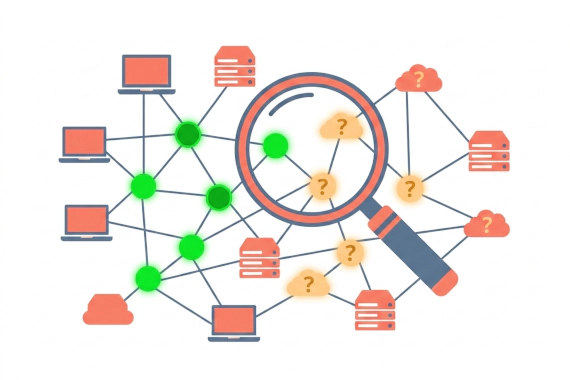
Attack surface management (ASM) discovers and monitors your internet-facing assets. It finds forgotten subdomains and exposed services targeting your brand. You can’t protect assets you don’t know about.
OSINT stands for open source intelligence. It’s intelligence gathered from publicly available sources like forums and social media. In security, OSINT monitoring tracks criminal marketplaces and forums for mentions of your organization.
IOCs are evidence that a security breach has occurred. They include suspicious IP addresses and malicious file hashes. Security teams use IOCs to detect and investigate incidents.
Threat intelligence is analyzed information about current and emerging threats. Raw data becomes intelligence when it’s processed and made actionable. A threat intelligence platform turns dark web data into alerts you can act on.
These terms describe attack methods related to dark web monitoring.
A phishing domain is a lookalike website designed to steal credentials. Attackers register domains that look similar to yours and create fake login pages. When employees or customers enter their credentials, the attacker captures them.
Typosquatting is registering domain names that are common misspellings of legitimate sites. If your domain is “example.com,” an attacker might register “exmaple.com.” Users who mistype your URL land on the attacker’s page instead.
A homoglyph attack uses characters that look identical to legitimate ones but are technically different. For example, replacing a Latin “a” with a Cyrillic “а” in a domain name. The URL looks correct to the human eye but resolves to a completely different server.
An initial access broker (IAB) is a criminal who specializes in breaking into networks and selling that access. They don’t deploy ransomware or steal data themselves. They sell the entry point to whoever pays. When an IAB lists your organization’s access for sale, ransomware is often weeks away.
A ransomware gang is a criminal group that encrypts victim data and demands payment for the decryption key. Many also steal data before encrypting it and threaten to publish it on leak sites. You can browse active groups on our ransomware gangs page.
This page covers the core terminology used across the Breachsense platform and site. Knowing these definitions helps you evaluate monitoring tools accurately and understand exactly what’s being detected.
Key takeaways:
For details on what Breachsense specifically monitors, see our methodology page. To check your current exposure, run a dark web scan.
A data breach involves unauthorized access. Someone broke in and stole data. A data leak is accidental exposure from a misconfigured database or careless employee. Both put your data at risk, but they come from different causes and need different responses.
Data breaches expose credentials from compromised servers. Stealer logs come from individual infected devices. Third-party breach data is often months or years old. Stealer logs contain fresh credentials harvested in real-time, and they often include session tokens that bypass MFA.
Yes. Session tokens represent sessions that already passed MFA. If an attacker steals a valid session token from a stealer log, they can hijack that session without needing the password or MFA code. That’s why monitoring for stolen tokens matters as much as monitoring for passwords.
A dark web scan is a one-time check. It shows you what’s exposed right now. Dark web monitoring runs continuously and alerts you when new data appears. Think of it as a snapshot versus a security camera.
An initial access broker is a criminal who breaks into networks and sells that access to other attackers. They don’t deploy ransomware themselves. They sell the entry point to ransomware gangs who do the rest. Monitoring for IAB activity gives you early warning before ransomware hits.
Combo lists are the ammunition. Credential stuffing is the attack. Criminals compile username-password pairs from multiple breaches into combo lists. Then they use automated tools to test those credentials across other sites, betting that people reuse passwords.
Vendors use these terms differently. Some call everything a ‘breach.’ Others conflate stealer logs with combo lists. Understanding the distinctions helps you evaluate what a platform actually monitors versus what it claims to cover.
Attack Surface Management EASM
What Are External Attack Surface Management Tools? External attack surface management (EASM) tools continuously discover …
Threat Intelligence Dark Web Monitoring
What Is Cyber Threat Intelligence Software? You can’t monitor every dark web forum and criminal channel yourself. CTI …