MFA Bypass Attacks: How Attackers Get Past Multi-Factor Authentication
Cybersecurity MFA Credential Theft Infostealer
What Are MFA Bypass Attacks? Multi-factor authentication blocks most automated attacks. If an attacker has a stolen …

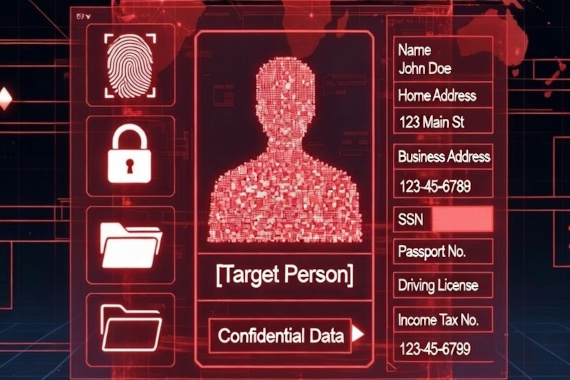
Learn how to protect your personal information from being weaponized against you online.
• Doxing exposes your private information publicly. That leads to harassment and identity theft and sometimes to physical safety risks as well
• Attackers find your data through social media scraping and public records. Breached databases fill in the gaps
• Prevention starts with auditing your digital footprint. Lock down social media and limit what you share
• If you get doxed, document everything and report to platforms immediately
Your home address and phone number are one angry stranger away from being posted online. That’s doxing. And it happens to millions of people every year.
According to Safehome.org research, 4% of American adults have been doxed. That’s roughly 11.7 million people whose private information was weaponized against them.
The consequences go far beyond embarrassment. Doxing victims face organized harassment campaigns and identity theft. Some have been swatted. Others have lost jobs after personal information spread across the internet.
This guide covers what doxing is and how attackers find your information. You’ll learn practical steps to protect yourself. If you’ve already been doxed, we’ll walk through response and recovery.
Someone posts your home address on a forum. Your phone starts ringing with threatening calls. Strangers show up at your workplace.
Doxing (also spelled doxxing) is the act of publicly revealing someone’s private information without their consent. This includes home addresses and phone numbers. Family member information is often exposed too. The term originates from “dropping documents” in early internet culture.
Doxing turns scattered public data into a weapon. The information might exist across various sources, but most people would never find it. What makes doxing dangerous is compiling everything in one place and broadcasting it to people who want to harass you.
The 77% of Americans who worry about being doxed have good reason. Once that compiled package goes up, it spreads fast. Copies get archived. Even if the original post comes down, the damage is done.
Motivations vary, but they share a common thread: the attacker wants to cause harm.
Revenge and personal disputes drive many doxing incidents. A breakup turns ugly. A business deal falls apart. Someone wants to make the other person suffer. Doxing becomes the weapon of choice because it’s easy and the damage is lasting.
Political and ideological disagreements fuel another category. Activists on all sides dox opponents to silence them or expose their identities. Journalists and researchers who cover controversial topics face particularly high risk.
Harassment campaigns use doxing to escalate. Online trolling turns into physical threats once home addresses go public. Coordinated groups spread the info to keep the harassment going.
Extortion attempts leverage the threat of doxing. Attackers contact victims privately: pay up or we publish everything. Even if the victim pays, nothing guarantees the information won’t be released anyway.
Vigilante justice motivates some doxers who believe they’re exposing wrongdoing. They rationalize that the target “deserves” it. The problem is vigilantes often get it wrong, and innocent people suffer the consequences.
Attackers want any information that makes you vulnerable. Some data enables harassment directly. Other data helps them find more.
Home addresses and phone numbers are the primary targets. These enable physical harassment and unwanted deliveries. Swatting is the most dangerous escalation. Attackers call emergency services with false reports to get armed police sent to your home.
Workplace and employer details extend harassment to your professional life. Attackers contact employers with accusations. They show up at offices. They turn colleagues into unwitting participants in harassment campaigns.
Family member information multiplies the threat. Attackers target spouses and children to pressure the primary victim. Parents become targets too. Family members who had nothing to do with the dispute become collateral damage.
Financial information enables identity theft and fraud. Bank account numbers and credit card details turn doxing into direct financial harm. Social Security numbers make it even worse.
Personal photos and private communications add humiliation to harassment. Attackers post intimate images or take private conversations out of context.
You’d be surprised how much of your life is already public. Doxers just know where to look.
Data brokers are companies that collect and sell personal information. They compile data from public records and online activity into detailed profiles. Anyone can search these databases for a few dollars, making them a primary resource for doxers.
Social media scraping provides the foundation. Your Facebook profile lists your hometown. LinkedIn shows your employer. Instagram reveals where you spend your weekends. Cross-referencing these sources builds a detailed picture fast.
Public records searches fill in official details. Property records reveal home addresses. Court filings expose legal history. Voter registration databases confirm names and addresses. Marriage and divorce records connect family relationships.
Data broker websites aggregate everything into searchable profiles. Sites like Whitepages and Spokeo compile public records with consumer data. Anyone with your name can find your address in minutes.
Breached databases add credentials and private data. When companies get hacked, your email and password might leak. Attackers search dark web marketplaces for data tied to your accounts.
WHOIS lookups were once a major doxing vector. Registrars now enable privacy by default, but domains registered years ago may still have exposed contact information.
Reverse image searches connect photos to identities. A picture posted under a pseudonym can be traced back to profiles using your real name.
Social engineering extracts information directly. Attackers call your phone company pretending to be you. They contact family members with convincing stories. Human deception bypasses technical protections.
The damage extends far beyond the initial exposure. Doxing creates cascading problems that can persist for years.
Harassment and threats start immediately. Once contact information goes public, unwanted calls and messages start arriving. Victims often have to screen calls or change numbers.
Swatting attacks represent the most dangerous escalation. Armed police respond to false emergency reports at victims’ homes. People have been killed during swatting incidents. The practice is illegal but difficult to prevent once addresses are public.
Identity theft follows when financial information leaks. Attackers take out credit cards in your name. They drain bank accounts too. Some file fraudulent tax returns. Victims spend months or years repairing the damage.
Job loss follows when harassers target your workplace. They contact employers with accusations. Some victims get fired just to make the harassment stop. Others can’t find work when internet searches return doxed content.
Physical safety risks change how you live. Some victims move houses. Others change daily routines. The constant threat takes a toll on mental health.
Psychological damage persists even after harassment stops. Anxiety and hypervigilance become constant companions. The sense of violation doesn’t fade easily.
The legal landscape is complicated. No single law covers all doxing scenarios.
No federal anti-doxing law exists in the United States. Doxing itself isn’t specifically criminalized at the national level. However, the Department of Homeland Security provides resources for doxing victims, and actions enabled by doxing often violate existing laws.
State laws vary significantly. Some states have enacted specific anti-doxing legislation. California, for example, criminalized doxing election workers. Other states address doxing through cyberstalking or harassment statutes.
Other jurisdictions take different approaches. In the EU, publishing personal data without consent can violate GDPR. The UK’s Malicious Communications Act covers threatening messages. Australia’s Online Safety Act gives regulators takedown powers. Hong Kong passed specific anti-doxing legislation in 2021 with penalties up to five years in prison.
Related crimes may apply. If doxing leads to harassment or stalking, those laws come into play. Threatening communications are illegal regardless of how attackers obtained contact information. Swatting is a serious crime.
Civil remedies exist. Victims can sue for invasion of privacy or intentional infliction of emotional distress. Defamation claims may also apply. These lawsuits require identifying the doxer and proving damages, which can be challenging.
Platform policies prohibit doxing. Major social media sites ban posting private information. Reporting doxing content can get it removed, though platforms respond with varying speed and effectiveness.
Prevention is far easier than recovery. Start hardening your digital presence now.
Search your own name and variations. Check what Google returns. Look at image search results. Search for your phone number and address. You need to know what’s already public.
Review every social media account. Check privacy settings on Facebook and LinkedIn. Instagram and Twitter need attention too. Limit who can see your posts and friend lists. Remove location data from posts.
Google yourself from different browsers and logged-out sessions. Results vary based on location and personalization. Get the full picture of your exposure.
Data brokers are required to honor opt-out requests. The process is tedious but effective. Each site has different procedures.
Start with the major aggregators: Whitepages and Spokeo. Then hit BeenVerified and Intelius. Submit opt-out requests to each one. Some require email verification. Others want ID documents.
Expect this to take several hours initially. Data reappears as brokers collect new information, so repeat the process quarterly.
Use unique passwords for every account. A password manager makes this manageable. If one account is breached, others stay protected.
Enable multi-factor authentication everywhere possible. MFA prevents account takeover even if passwords leak. Prefer authentication apps over SMS codes.
Review connected apps and services. Third-party apps with access to your accounts create additional exposure. Remove anything you don’t actively use.
Think before posting personal details. Your birthday combined with your hometown provides answers to common security questions. Vacation photos reveal when your home is empty.
Use pseudonyms for accounts unconnected to your professional identity. Don’t link personal and professional personas unless necessary.
Enable WHOIS privacy on domain registrations. This hides your contact information from public databases.
If it’s already happened, act quickly to limit damage.
Document everything before it disappears. Screenshot the doxing content with timestamps. Save copies to private storage. You’ll need this evidence for reports and potential legal action.
Report to platforms hosting the content. Major sites have policies against doxing. Report each post individually. Don’t assume they’ll find all copies on their own.
File a police report if you receive threats. Law enforcement response varies, but having a report on file helps establish a pattern. Some jurisdictions take online harassment more seriously than others.
Notify your employer if workplace information was exposed. They should be prepared for potential contact from harassers. They may also have resources to help.
Change passwords on all accounts, starting with email. Attackers who obtained your information may attempt account takeover. Don’t reuse any passwords from before the incident.
Monitor for credential exposure. Your information may appear in stealer logs or be sold on hacker forums. Dark web monitoring alerts you when your data appears in places you can’t see.
Consider identity theft protection. If financial information was exposed, monitoring services can catch fraudulent activity early.
Alert financial institutions if banking information leaked. Place fraud alerts on your credit files. Consider a credit freeze to prevent new accounts being opened in your name.
Doxed information fuels targeted attacks. Attackers don’t stop at harassment.
Personal details enable targeted phishing. When attackers know your employer and your boss’s name, they can craft convincing fake emails. Generic phishing is easy to spot. Spear phishing using doxed data is much harder.
Password reset attacks exploit personal information. Security questions often ask about hometowns and family members. Doxed data provides those answers. Attackers reset passwords and take over accounts.
Social engineering becomes trivial with detailed profiles. Attackers call customer support with enough personal information to pass verification. They redirect packages and change addresses. Account access follows.
Exposed email addresses end up in credential stuffing attacks. Attackers try passwords leaked from other breaches. If you reused passwords, they’re in.
The connection works both ways. Attackers who find your credentials in breach databases learn your email patterns and password habits. That information helps them find more personal details to dox.
Employees who get doxed become security risks. Attackers use personal details for spear phishing. Executives are high-value targets.
Monitor for employee credential exposure. When personal data surfaces on dark web markets, it often precedes targeted attacks. Credential monitoring catches this exposure early.
Train employees on privacy hygiene. Most people overshare on social media. Basic awareness training helps staff understand how attackers use public information against them.
Consider executive protection programs. High-profile staff face elevated risk. VIP monitoring tracks when executive information appears in breach data or hacker forums.
Have an incident response plan. When an employee gets doxed, security teams need clear steps. Who gets notified? What accounts get locked? How do you support the affected employee?
Doxing transforms scattered personal information into a weapon. Once your data is out there, it spreads quickly and stays online forever.
Prevention starts with knowing your exposure. Search yourself. Remove what you can from data brokers. Lock down social media. Think twice before sharing personal details online.
If you’re doxed, document everything and report immediately. Change passwords across all accounts. Monitor for follow-on attacks targeting your exposed information.
Attackers who dox you often go after your accounts next. Once your personal info is public, all of your accounts become targets. Credential monitoring catches stolen passwords before attackers use them.
Check if your data is already exposed with a free dark web scan.
Doxing (also spelled doxxing) is publicly revealing someone’s private information without their consent. This includes home addresses and phone numbers. The term comes from ‘dropping documents.’ Attackers use doxing for harassment. It also opens the door to identity theft.
There’s no federal law that specifically criminalizes doxing in the United States. However, doxing can violate other laws depending on how the information is used. Stalking and cyberstalking laws may apply. Some states have enacted specific anti-doxing legislation. Victims can also pursue civil lawsuits for invasion of privacy.
Signs include receiving unexpected contact from strangers who know personal details about you. You might notice harassment on social media or unusual account activity. Unwanted deliveries to your home or workplace can indicate your address was exposed. Google your name and personal details regularly to check for unauthorized exposure.
You can significantly reduce your risk but can’t eliminate it entirely. Audit your social media privacy settings and remove yourself from data broker sites. Use pseudonyms for online accounts unconnected to your real identity. Enable privacy protection on domain registrations. Limit personal information you share online.
A VPN hides your IP address but doesn’t prevent doxing. Most doxing happens through social media scraping and public records searches rather than IP tracking. Data breaches also expose personal information. A VPN is one layer of privacy protection, but it won’t stop someone from finding information you’ve already shared online.
Document everything with screenshots before content gets removed. Report the doxing to platforms where your information was posted. File a report with local law enforcement, especially if you receive threats. Alert your employer if workplace information was exposed. Enable credential monitoring to catch any attempts to exploit your exposed information.
Cybersecurity MFA Credential Theft Infostealer
What Are MFA Bypass Attacks? Multi-factor authentication blocks most automated attacks. If an attacker has a stolen …
Cybersecurity Risk Management CISO
What Is Cyber Risk Quantification? Cyber risk quantification puts dollar figures on cyber threats. Instead of telling …