How to Assess Third-Party Risk: A Practical Framework
Third-Party Risk Risk Management
What Is Third-Party Data Risk? Third-party data risk is the chance that an external vendor will cause a security …

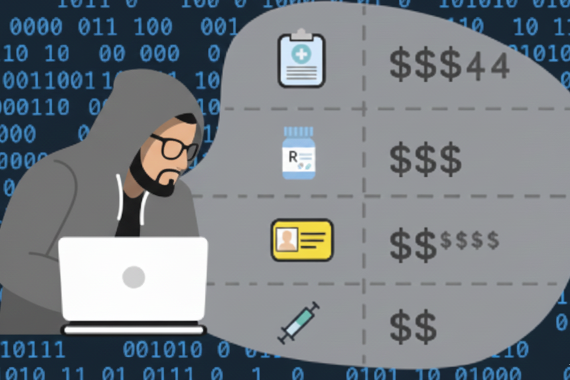
Learn how dark web monitoring protects healthcare credentials and patient data from criminal exploitation.
• Medical records can’t be canceled like credit cards. That permanence is why healthcare data sells for $250+ per record on criminal markets.
• Most healthcare breaches start with stolen credentials. Dark web monitoring catches them early so you can reset passwords before attackers log in.
• You’ll often find your data in vendor breach dumps before the vendor tells you. Healthcare’s large vendor ecosystem makes third-party monitoring critical.
• HIPAA doesn’t require dark web monitoring by name, but the Security Rule requires you to identify threats to PHI. Monitoring gives you documented evidence of that effort.
The February 2024 Change Healthcare attack exposed 190 million patient records. The entry point? A remote access server without multi-factor authentication.
Medical records are permanent. You can cancel a credit card or reset a password, but you can’t change your medical history or Social Security number. That permanence makes healthcare the most expensive industry for breaches 14 years running.
Dark web monitoring gives you early warning when stolen credentials and patient data appear on dark web marketplaces and ransomware leak sites, often hours after theft rather than months.
This guide covers why healthcare data is so valuable on the dark web, what data types appear there, and how monitoring helps you respond faster.
Healthcare has been the costliest industry for data breaches 14 years in a row. The average healthcare breach costs $7.42 million according to IBM’s 2025 report. Attacks on healthcare jumped 86% year-over-year in 2025.
Attackers target healthcare for three reasons. First, medical data can’t be canceled like a credit card and sells for high prices. Second, hospitals can’t afford downtime, which makes ransomware especially effective. Third, healthcare’s large vendor ecosystem creates many entry points.
The 2025 Verizon DBIR found that 54% of ransomware victims had credentials in stealer logs before the attack. That means stolen credentials sitting on underground markets are often the first step in a healthcare breach. Dark web monitoring catches those credentials early, giving you a chance to act before attackers do.
The scope of healthcare data on dark web markets goes well beyond patient records.
Most of the healthcare data on the dark web falls under one regulatory category.
Protected Health Information (PHI) is any individually identifiable health data that your organization creates or maintains. This includes medical records and insurance details. PHI is protected under HIPAA and attracts attackers because it can’t be changed or canceled, making it useful for long-term fraud.
Complete medical records sell for $250 to $500 each on criminal markets. That’s 10-100x the price of a credit card number. Ransomware groups like ALPHV and LockBit target healthcare specifically. They know the data is valuable and hospitals will pay to prevent exposure. When victims don’t pay, patient data gets published on leak sites and distributed across hacker forums. The largest healthcare data breaches have exposed hundreds of millions of records through these attacks.
Attackers use stolen medical records for insurance fraud and medical identity theft (getting treatment under someone else’s name). They also use them for long-term identity theft using verified personal information.
Stolen employee credentials are the most dangerous type of exposure. A single set of VPN or EHR credentials gives an attacker direct network access, bypassing perimeter security entirely. Infostealer logs containing healthcare VPN and EHR logins sell for as little as $10-$50 on dark web forums. That makes them accessible to almost any attacker.
These credentials come from phishing campaigns and password reuse across breached services. Infostealer malware that captures saved passwords from browsers is another major source. Stolen credentials show up in infostealer channels almost immediately after infection.
Healthcare depends on extensive vendor networks for billing and IT services, including EHR hosting. When vendors get breached, your data often appears in those leaks. A single vendor breach in 2024 affected thousands of providers because of this interconnected ecosystem. You need to monitor vendor domains too, not just your own.
Modern ransomware groups steal data before encrypting it, then threaten to publish unless you pay. This “double extortion” model hits healthcare especially hard because hospitals face pressure from both operational disruption and patient privacy exposure. When ransoms go unpaid, stolen data appears on leak sites within days and eventually spreads across hacker forums.
One of the biggest risks from leaked patient data is fraud that’s hard to detect and even harder to undo.
Medical identity theft happens when someone uses stolen patient information to get medical treatment or file insurance claims under another person’s name. Unlike financial identity theft, medical identity theft can alter your health records with wrong diagnoses or blood types, creating risks that go beyond financial harm.
The May 2024 Ascension Health attack forced dozens of hospitals to cancel procedures and divert ambulances. The Black Basta ransomware group exfiltrated patient data before deploying encryption. Staff had to revert to paper records for weeks. Early data breach monitoring catches when your data appears on these extortion pages, often before the ransomware group makes a public announcement.
Infostealers like RedLine and Vidar capture credentials directly from infected devices. They grab saved passwords from browsers and steal session tokens that let attackers bypass MFA. Healthcare workers are frequent targets because the high-stress environment and constant email communication make them susceptible to phishing-delivered malware.
Once installed, an infostealer sends your credentials to an attacker-controlled server within minutes. Those credentials then get packaged into “stealer logs” and sold in criminal forums or shared freely in Telegram channels. A single infected workstation can expose VPN credentials and EHR logins alongside email passwords all at once.
Healthcare’s vendor ecosystem is unusually large and interconnected. You share patient data with billing companies and clearinghouses, plus EHR vendors and IT managed service providers. Each vendor is an attack surface.
The 2019 AMCA breach affected Quest Diagnostics and Labcorp because both used the same billing vendor. The 2024 Change Healthcare breach disrupted claims processing for thousands of providers nationwide. In both cases, healthcare providers learned about their exposure after the damage was done. Monitoring vendor domains alongside your own catches these exposures earlier. You can learn more about the consequences of healthcare data breaches and the full scope of the Change Healthcare breach.
This isn’t a primer on how dark web monitoring works technically. For that, read the dark web monitoring guide. Here’s what monitoring does specifically for healthcare.
When employee credentials appear in stealer logs or on hacker forums, you get alerts quickly. That gives you time to force password resets and revoke VPN access before an attacker launches a ransomware attack. Since 54% of ransomware victims had credentials in stealer logs beforehand, this early detection directly reduces your ransomware risk.
Compromised credential monitoring is especially important for healthcare. A single set of valid VPN credentials can give an attacker the foothold to deploy ransomware across your entire network.
You’ll often find your data in vendor breach dumps before the vendor notifies you. This matters because HIPAA breach notification timelines start when you discover the breach, not when the vendor tells you. Monitoring vendor domains alongside your own gives you a head start on incident response. You can assess your exposure while your vendor is still figuring out what happened.
The average healthcare breach takes 279 days to detect. That’s over nine months for attackers to exploit stolen access and exfiltrate more data. Real-time dark web monitoring cuts that detection time from months to hours, which dramatically improves your ability to contain damage. Pair that detection with strong preventive controls and you’re closing the gap from both sides.
You get documented evidence that you’re actively identifying threats to PHI, which supports multiple Security Rule requirements (more on this below).
HIPAA doesn’t mention dark web monitoring by name. But two key requirements make it directly relevant.
The Security Rule requires covered entities to “identify and respond to suspected or known security incidents.” It also requires risk assessments that identify “reasonably anticipated threats” to PHI. Dark web monitoring addresses both: it identifies active threats (stolen credentials, leaked PHI) and creates a documented record of your threat identification process.
The Breach Notification Rule requires you to notify affected individuals within 60 days of discovering a breach affecting 500+ people. The faster you detect that your data appeared on a dark web market, the faster you can assess whether notification is required. Cutting detection from 279 days to hours gives you far more time to respond within compliance timelines.
Dark web monitoring also supports several specific safeguards:
Dark web monitoring alone doesn’t make you HIPAA compliant. But it strengthens your compliance efforts and gives you evidence to show auditors.
Healthcare’s combination of high-value data and critical operations makes it the costliest industry for breaches. Most attacks start with stolen credentials that sit on criminal markets for months before anyone notices.
Dark web monitoring closes that gap. Check your current dark web exposure with a dark web scan or book a demo to see how Breachsense monitors healthcare credentials and patient data.
Dark web monitoring scans underground marketplaces and ransomware leak sites for your data. When patient records or employee credentials appear, you get alerts quickly. This lets you reset passwords and revoke access before attackers exploit the exposure.
Complete patient records with names and SSNs. Employee credentials for VPN and EHR systems. Internal documents from ransomware exfiltration. Third-party vendor data that includes your patients. Compromised credential monitoring catches these exposures early.
Medical records sell for $250 to $500 per record on dark web markets, far more than credit card numbers ($5-$25). The higher price reflects permanence. You can cancel a credit card in minutes, but you can’t change your medical history or Social Security number.
HIPAA doesn’t explicitly require dark web monitoring. But the Security Rule mandates risk assessments that identify threats to PHI. The Breach Notification Rule also requires you to know about exposures quickly. Monitoring supports both by documenting your threat detection efforts.
Dark web monitoring alerts you within hours of data appearing on hacker forums or leak sites. That’s a massive improvement over the 279-day average detection time for healthcare breaches. For credentials stolen by infostealer malware, detection typically happens within hours of the logs being shared in criminal channels.
Healthcare combines high-value data that can’t be changed or canceled with critical operations that can’t shut down. The large vendor ecosystem creates many entry points. Ransomware groups know hospitals will pay to restore operations. That’s why healthcare has been the costliest industry for breaches 14 years running.
Healthcare shares patient data with dozens of vendors for billing and IT services. When any of those vendors gets breached, your data often shows up in the leak. The Change Healthcare breach affected thousands of providers through this vendor dependency. Third-party risk monitoring gives you early warning when vendor data surfaces on criminal markets.
Third-Party Risk Risk Management
What Is Third-Party Data Risk? Third-party data risk is the chance that an external vendor will cause a security …
What Is Business Email Compromise? It goes by several names, but they all describe the same scam. Business email …